Interdisciplinary Scientific and Practical Round Table “To Accept or to Acknowledge?”: Psychotherapeutic, Neuropsychological, and Linguistic Aspects of Experiencing Trauma
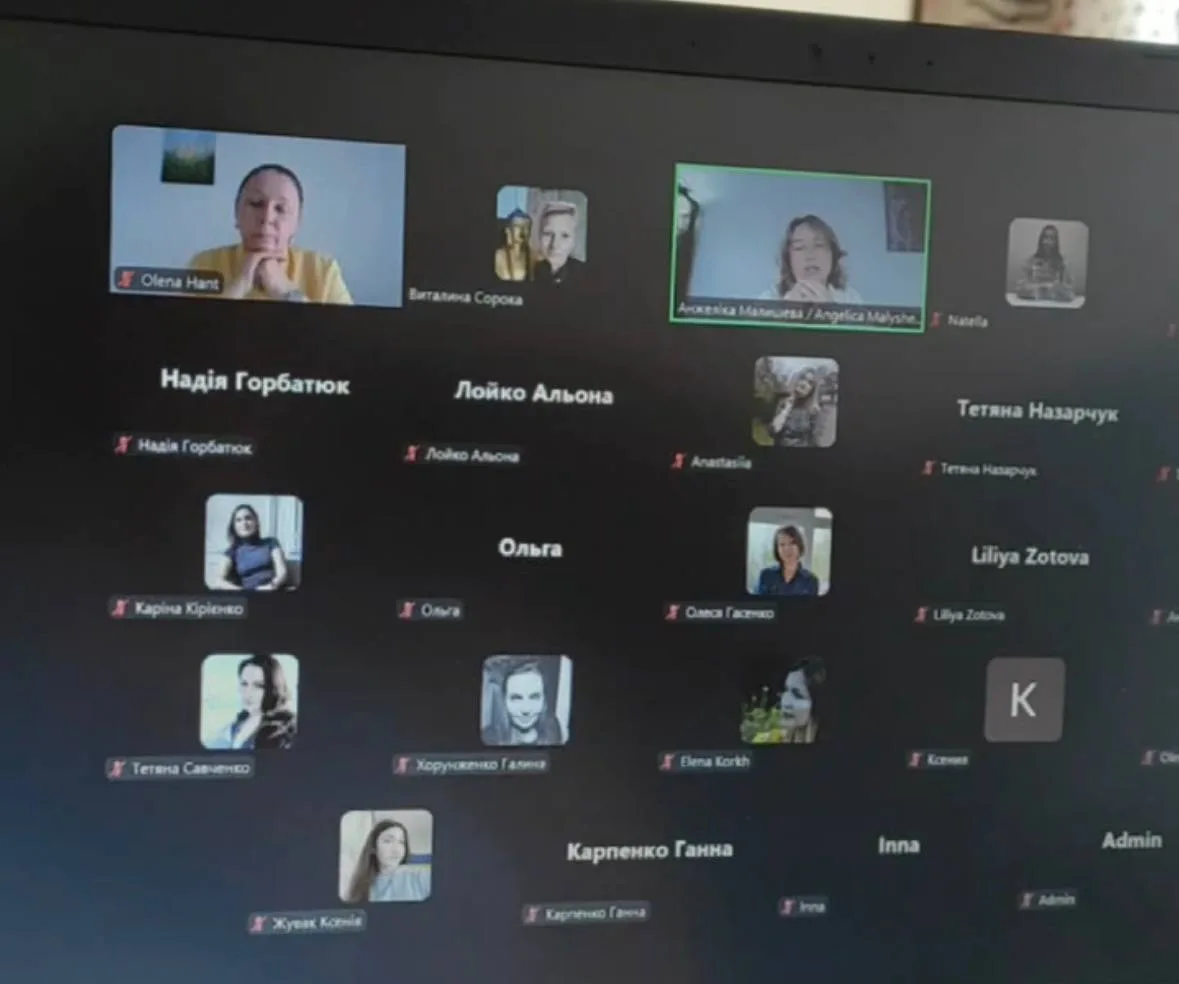
The event attracted considerable professional interest, with more than 100 participants registered. The round table brought together psychologists, psychotherapists, neuropsychologists, researchers, and professionals working in the fields of mental health, education, and social support to discuss contemporary approaches to understanding psychological trauma, the process of coping with traumatic experiences, and evidence-based methods of providing professional support to people affected by loss, war, forced migration, and other crisis situations.
Particular attention was devoted to the distinction between acknowledgment and acceptance of traumatic experiences. The speakers explored how these concepts are understood within psychotherapy, neuropsychology, linguistics, and psychological counselling, while also examining the role of language in shaping human experience, strengthening psychological resilience, and facilitating the therapeutic process.
The first presentation, “What Cannot Be Accepted: Psychotherapy of Shock Trauma Between Acknowledgment and Transformation,” was delivered by Viktoriia Chertkova. The presentation focused on psychological support for individuals experiencing shock trauma and post-traumatic stress disorder (PTSD), explaining why expecting immediate acceptance of traumatic experiences may be unrealistic and presenting contemporary trauma-informed therapeutic approaches.
The second presentation, “Acceptance or Acknowledgment: What the English Language Reveals,” was delivered by Natella Khetsuriani. The speaker examined the linguistic differences between the concepts of acceptance, acknowledgment, and recognition, demonstrating how these distinctions contribute to a deeper understanding of psychological responses to trauma.
The next presentation, “Acceptance Is Impossible When the Ground Is Temporary: The Ontological Dimension of Therapeutic Language in Work with Forced Migrants,” was delivered by Anzhelika Malysheva. The presentation addressed the psychological consequences of forced migration, the impact of losing a sense of security on the therapeutic process, and the importance of therapeutic language in helping individuals reconstruct their psychological reality.
In the second part of the event, Olena Hant presented “Acknowledging in Order to Help: A Neuropsychological Perspective on Parents’ Experience of Their Child’s Autism Diagnosis.” The presentation examined the neuropsychological mechanisms underlying parents’ responses to receiving an autism diagnosis, the distinction between acknowledgment and acceptance, approaches to psychological support for families, and the importance of timely psychoeducation and neuropsychological intervention.
The event concluded with an expert panel discussion entitled “To Accept or to Acknowledge?” – Searching for a Common Language Between Psychotherapy, Neuropsychology, and Linguistics. Participants discussed whether acceptance should always be considered the ultimate goal of psychotherapy, whether acknowledgment can function as an independent therapeutic stage, how neuropsychology explains the inability to accept experiences during acute stress, how language shapes psychological experience, and how professionals can effectively support clients who are not yet ready to accept their reality. The discussion also provided an opportunity for participants to exchange clinical experience and engage in an active question-and-answer session.
At the conclusion of the round table, the organizers summarized the key outcomes of the event, outlined plans for future international scientific and professional initiatives, and provided participants with information regarding electronic certificates of participation.
The round table once again demonstrated the growing importance of interdisciplinary collaboration in psychology, psychotherapy, neuropsychology, and psychohygiene. The participation of more than 100 registered professionals highlighted the demand for international scientific dialogue on mental health, trauma, and evidence-based psychological support.
FUNDACJA HANT – INSTITUTE OF PSYCHOHYGIENE AND NEURODIVERSITY will continue developing international scientific, educational, and professional initiatives that promote evidence-based approaches in psychology, psychotherapy, neuropsychology, psychohygiene, and neurodiversity while strengthening international cooperation among helping professionals.