Mandala Therapy Workshop Supporting Psychological Resilience for Women within the “Tall Flowers” Project
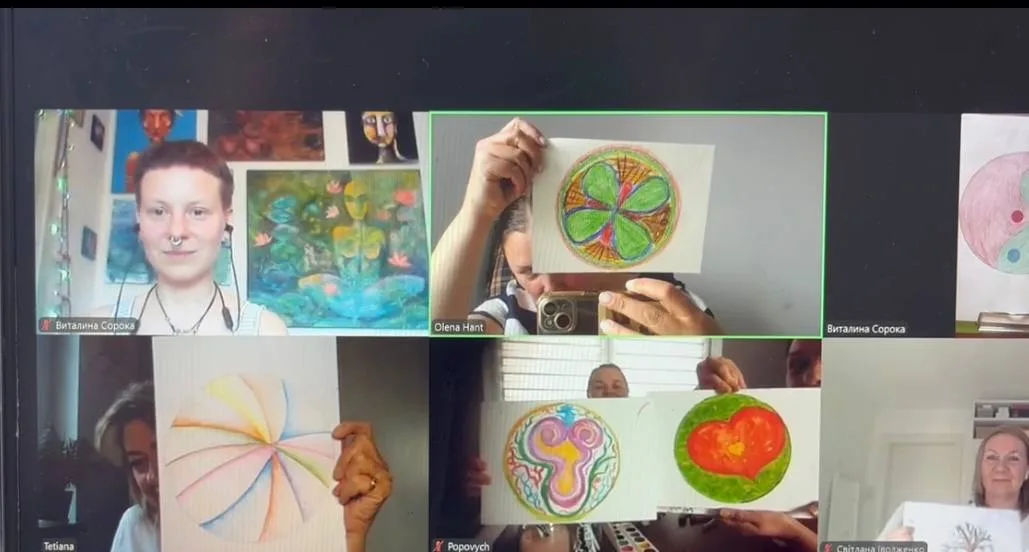
Report on the Online Art Therapy Session “Geometry of Grounding”
Mandala Therapy Workshop Supporting Psychological Resilience for Women within the “Tall Flowers” Project
Date: May 30, 2026
Format: Online
Session Theme: “Geometry of Grounding”
Methodology: Mandala Therapy
Facilitator: Vitalina Sorokooka – Artist and Art Therapist
Project: “Tall Flowers”
Organizer: HANT Foundation – Institute of Psychohygiene and Neurodiversity
On May 30, 2026, the online art therapy session “Geometry of Grounding” was held as part of the “Tall Flowers” project and facilitated by artist and art therapist Vitalina Sorokooka.
The event focused on strengthening inner stability, discovering personal resources, and rebuilding a sense of support through the creative process. Participants were given the opportunity to pause from everyday demands, turn their attention inward, and explore their own sources of strength and resilience through artistic expression.
Purpose of the Event
The purpose of the session was to support the psychological well-being of participants through art therapy methods that foster self-awareness, emotional self-regulation, and the development of internal resources.
Special attention was given to the concept of grounding as a psychological capacity to experience stability, safety, and connection with one’s values, even during periods of uncertainty and life transitions.
Program and Methods
The workshop utilized mandala therapy, an art therapy approach that combines creativity, self-reflection, and symbolic work with visual imagery.
During the session, participants:
- created their own mandalas;
- explored symbols of inner support and stability;
- worked with color, shape, and composition as tools for self-expression;
- practiced mindfulness and concentration;
- reflected on their emotional responses and personal experiences throughout the creative process.
The workshop was conducted in an atmosphere of acceptance, psychological safety, and non-judgment.
Outcomes of the Event
As a result of participation, attendees:
- learned how mandala therapy can be used as a tool for psychological support;
- gained practical experience in using creativity for emotional self-regulation;
- increased awareness of their emotions and personal needs;
- strengthened skills of concentration and self-observation;
- acquired additional resources for coping with stress and emotional tension.
Participants also reported positive effects of the creative process on their emotional well-being, sense of inner balance, and psychological comfort.
Social Impact of the Event
The event was implemented within the “Tall Flowers” project, which aims to support women’s mental health, promote a culture of psychohygiene, and create safe spaces for personal growth and recovery.
The online format ensured accessibility for women regardless of their place of residence, family circumstances, or mobility limitations. This is particularly important for women with migration experiences, emotional exhaustion, social isolation, or elevated stress levels.
By combining art therapy, creative expression, and group support, the event contributed to strengthening psychological resilience, preventing emotional burnout, and developing skills for maintaining mental well-being.
Contribution to the Mission of the HANT Foundation
The session directly supports the mission of the HANT Foundation – Institute of Psychohygiene and Neurodiversity by promoting mental health, disseminating evidence-informed approaches to psychological well-being, and creating accessible forms of support for diverse social groups.
The “Tall Flowers” project serves as one of the practical instruments for achieving this mission. Through creative, educational, and therapeutic activities, the project helps women strengthen their internal resources, reconnect with themselves, develop self-regulation skills, and build supportive social relationships.
The “Geometry of Grounding” session made a meaningful contribution to the development of a community of women who are committed to caring for their mental health, improving their quality of life, and finding new resources for adapting to contemporary challenges.